
Wootens’ philanthropy supports innovations in alcohol prevention and student well-being
Ronald and Ann Wooten’s lifelong connection to Carolina drives their support for innovative work that helps students build healthier, more fulfilling lives.
Ronald and Ann Wooten’s sustained investment in Melissa Cox’s research is shepherding a real-time mHealth app from early concept toward students’ smartphones.
When Ronald and Ann Wooten talk about Carolina, they do so with a deep, enduring stake in the University’s future and the well-being of its students. Both graduates of UNC and parents of Tar Heels, they have remained closely connected to student life long after their own time on campus. Their philanthropy reflects that long-standing commitment and their belief that Carolina should be a place where young people can truly thrive.
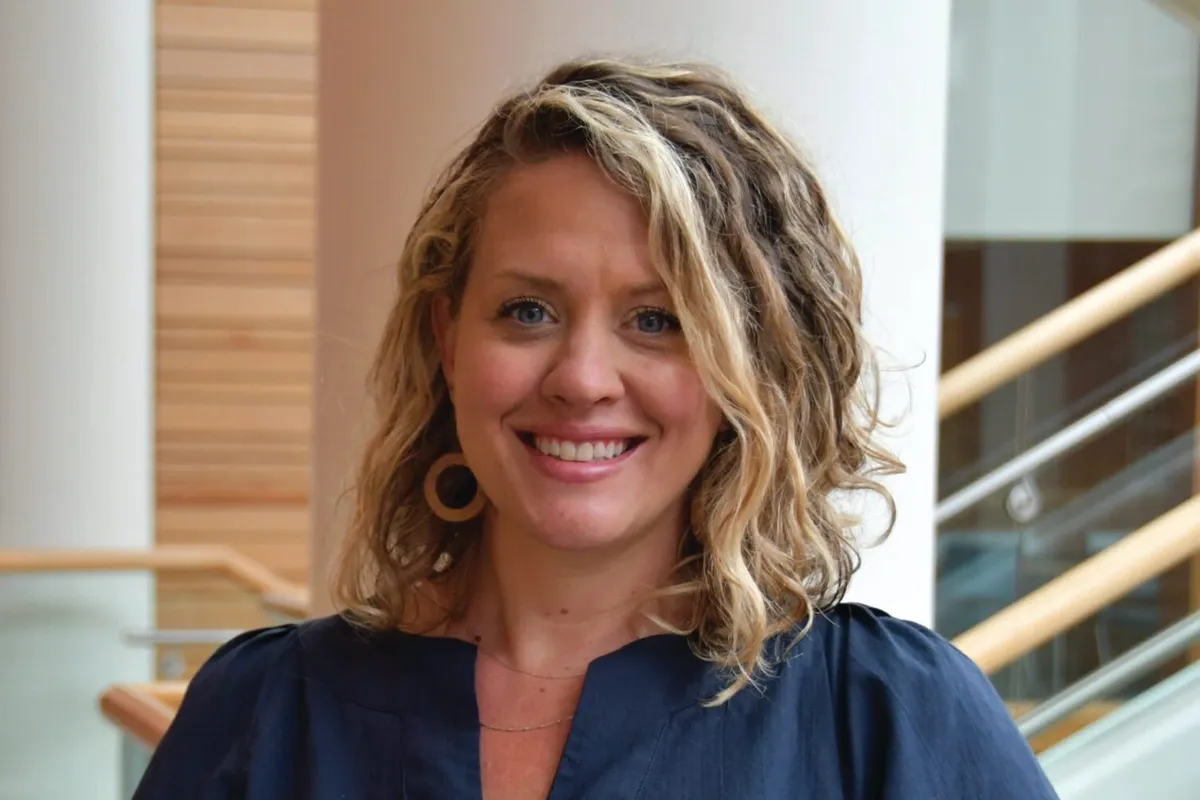
Drawn to innovative work by the Department of Health Behavior at the UNC Gillings School of Global Public Health on designing programs and policies to address substance use, the Wootens provided support for the faculty position of Melissa Cox, PhD. Cox’s work focuses on reducing high‑risk alcohol consumption among young adults, a significant issue on college campuses that, according to the NIH, has negative effects on as many as 1 in 4 college students.
“Ronald and I met at UNC. Our children are UNC graduates,” said Ann Wooten. “It is so important to us both to make sure young people at Carolina have options to socialize that don’t involve drinking alcohol.”
I want for every young person at Carolina to have that opportunity, and drinking gets in the way for too many.
Cox’s team recently completed a major trial of a phone‑based mHealth intervention designed to help young people recognize and avoid problematic drinking patterns in real time. Early results showed high compliance and high satisfaction, giving the team strong evidence that they are on the right track.
“We keep getting really strong signals that this is needed and that it works,” said Dr. Cox. “We’re excited to take it to scale.”
The team partnered with Innovate Carolina to run design‑thinking workshops and rapid prototyping sessions with young adults who engage in high‑risk drinking. These sessions helped refine features, test usability and shape an app that responds to students’ needs. The app tailors messages to risk factors as they occur during a drinking event, providing real-time support to reduce alcohol consumption and mitigate harms. The app also supports goal‑setting, helps students understand their own consumption patterns and provides direct access to resources and clinicians.
“It helped me track my habits and kind of take a step back and realize what I was doing,” said one focus group participant. “Seeing visuals or even numbers to things was so helpful.” The next step is building a full version of the app that can be installed on any modern smartphone.
The Wootens’ most recent gift enabled a partnership with Newman Carpenter, a health communications firm founded by two 2020 health behavior Master of Public Health alums, Emily Newman and Kathryn Carpenter. Working with Dr. Cox, they developed campuswide print and digital campaigns aimed at shifting social norms around alcohol use.
Dr. Cox’s work to reduce high-risk drinking among young people, especially on college campuses, has drawn significant external support from the NIH and Innovate Carolina. The Wootens’ sustained investment has been a driving force shepherding her research from early concept through multiple stages of app development. Their vision and commitment have not only fueled the growth of this innovative tool but also helped position the work to attract strong outside funding. Thanks to their leadership, an ambitious idea is becoming a powerful resource for student well-being.
“I feel I’ve reached my potential, and that’s a rare thing,” said Ronald Wooten. “I want for every young person at Carolina to have that opportunity, and drinking gets in the way for too many.”